

Barbu Lăutaru, born Vasile Barbu, was a Roma singer and kobza player from Iași, a legend of lăutar music. For almost half a century he led the guild of lăutari of Iași and helped shape the lăutar style, which blends Romanian folk music with Oriental and Western influences.
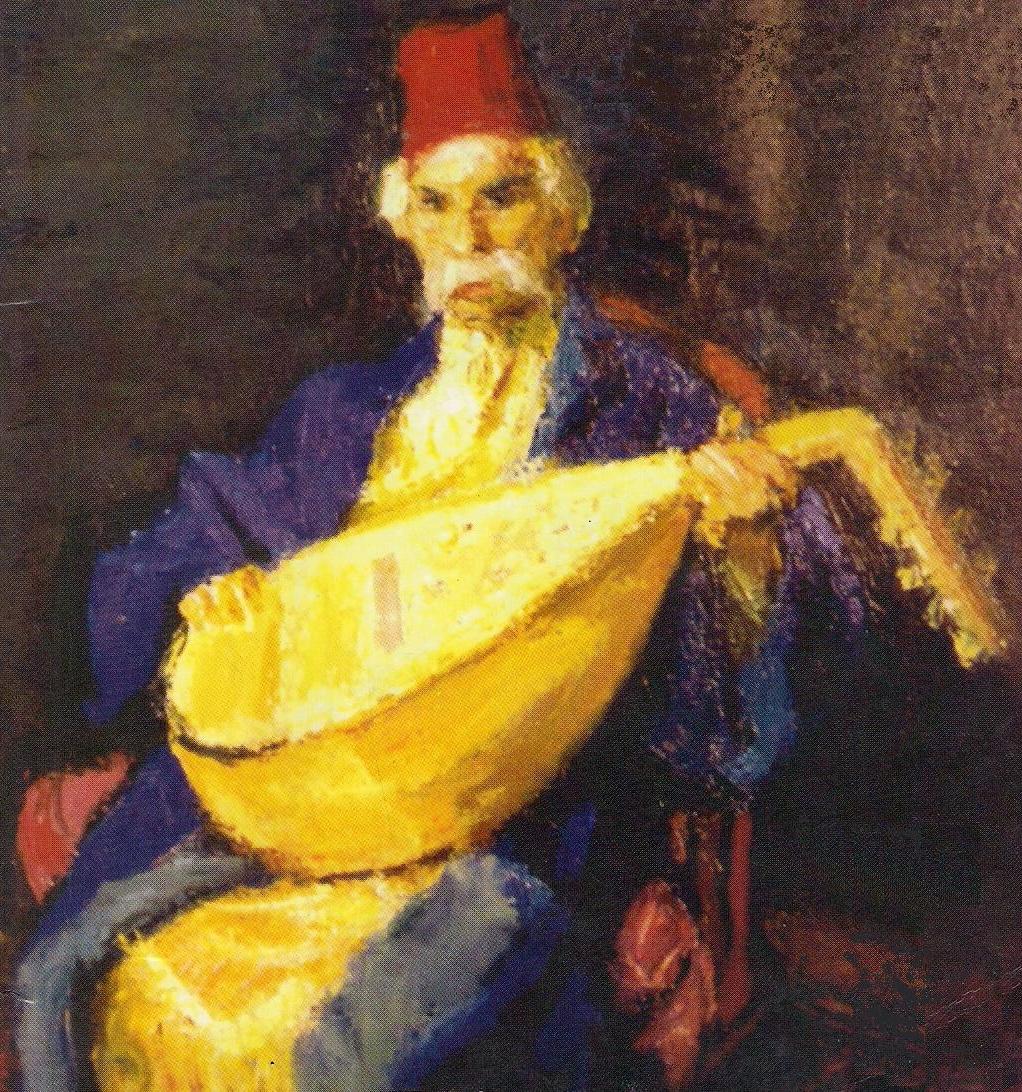
Source: Wikimedia Commons
Key moments in his life
- 17 December 1780 – born in Mereni, Moldavia, into an old family of lăutari. He becomes famous at the age of 12–14.
- 1808 – first documentary mention of his name, in a census of the inhabitants of Iași. He lived in the house inherited from his father, Stan Munteanu, on Frecăului lane.
- For 45 years he is the starost (leader) of the lăutari of Iași and a singer at the Church of Saint John Chrysostom (Zlataust).
- He gives numerous tours in the Romanian lands, including Bessarabia, in Chișinău and Telenești. His band includes his sons, who also became well-known lăutari: Vasile, Gheorghe and Ioan Scripcariul.
- Winter of 1847 – in Iași, he amazes Franz Liszt. According to accounts of the time, after hearing it only once he reproduced on the spot an improvisation by the great composer.
- 1852 – photographed by Costache Sturdza Scheianul. It is the only known photograph of him and is kept at the Library of the Romanian Academy.
- 18 August 1858 – dies in Iași.
Artistic contribution
Barbu Lăutaru was one of the great creators and performers of lăutar music. Through his compositions and performance style, he enriched this genre born from the meeting of Romanian folk music with Oriental elements, Russian romance and Western music. His fame crossed borders, and Franz Liszt was not the only foreigner he impressed.
Legacy
In 1968, his grave was discovered at the Church of Saint John Chrysostom in Iași, today a funerary memorial monument. The first state folk-music orchestra in Bucharest, founded in 1949, took his name: the “Barbu Lăutaru” Orchestra of the “George Enescu” Philharmonic. His name has become synonymous with the art of the lăutar.